C-Section Recovery: What to Expect Before, During, and After a Cesarean Birth
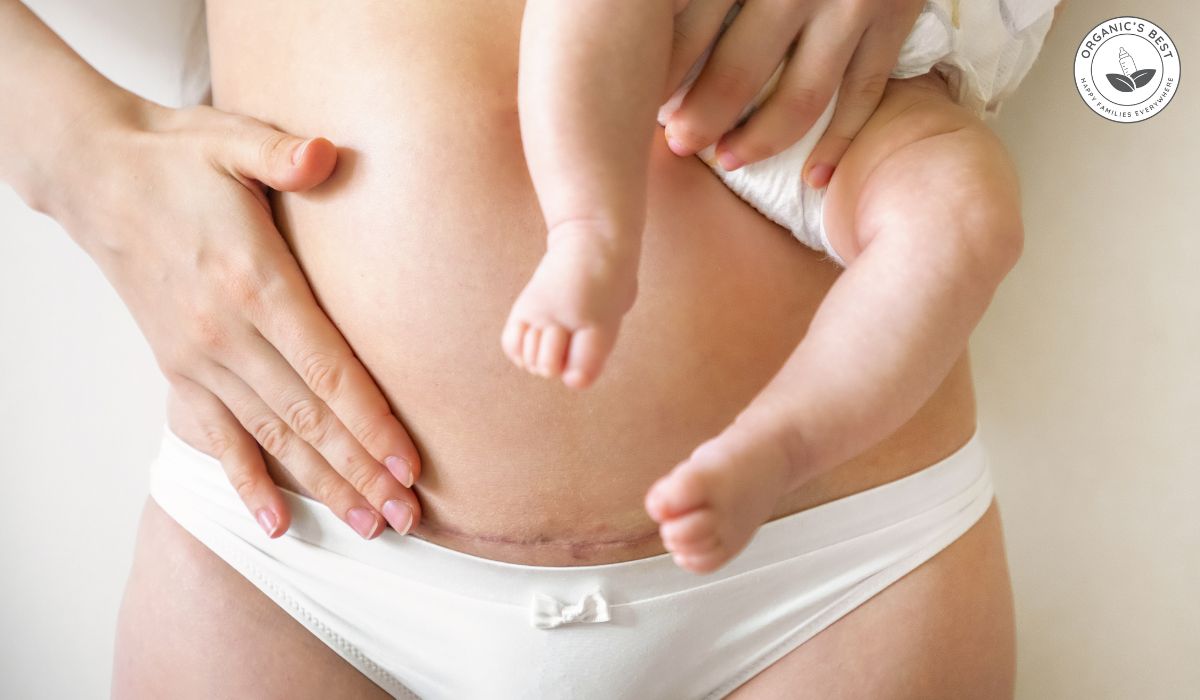

Having a baby is a huge physical and emotional experience, and having a C-section adds another layer to the postpartum journey.
Whether your cesarean delivery was planned well in advance or became necessary unexpectedly during labour, it is helpful to be informed about what comes next, what to expect during the healing phase and how to care for your body and your baby during this time.
A cesarean birth involves abdominal surgery, so recovery can look different compared to a vaginal birth. At the same time, you're adjusting to life with a newborn, learning how to feed your baby, managing postpartum changes, and trying to get enough rest. It can all be a lot to take in.
Below, you’ll learn more about what a C-section is, what to expect during recovery, practical tips for healing, and products that can help support you along the way.
Table of Contents
- What Is a C-Section?
- Why Might You Need a Cesarean Delivery?
- How to Prepare for a Cesarean Section
- What Happens During a Cesarean Birth?
- How Long Does a C-Section Take?
- How Long Do You Bleed After C-Section?
- What to Expect After a C-Section Birth
- Formula Feeding or Breastfeeding After C-Section
- C-Section Recovery: How Long Does it Take to Heal from a C-Section?
- Explore Organic's Best European C-Section Recovery Kit: What's Included?
- C-Section Delivery FAQs
What Is a C-Section?
A C-section, short for cesarean section, is a surgical procedure used to deliver a baby through an incision made in the abdomen and uterus.
A C-section delivery could be planned ahead of time or performed during labour if a vaginal birth is no longer considered the safest option for mom or baby.
During a typical C-section surgery, an incision is made through the abdomen, followed by an incision in the uterus. The baby is then delivered through these openings. After the baby is born, the placenta is removed, and the incisions are closed.
Most C-sections are performed using regional anesthesia, such as a spinal or epidural, which means you are awake but numb from approximately the waist down.
In many cases, you can meet, touch, or hold your baby shortly after birth, depending on your condition and your baby's health.
Although C-sections are common and generally very safe, they are still major abdominal surgery. This is why C-section healing takes time and why taking care of yourself after a cesarean birth is just as important as caring for your new baby.
Why Might You Need a Cesarean Delivery?
There are several reasons why a cesarean delivery may be recommended. Some cause a C-section to be planned well in advance, while others are issues that develop labour.
Planned vs. Emergency C-sections
A planned C-section is scheduled before labour begins. This may be recommended if there is a medical reason why vaginal delivery could be risky, such as certain placenta complications, the baby's position, or a previous surgical history.
An emergency C-section happens when a situation develops during pregnancy or labour that requires the baby to be delivered quickly. This doesn't necessarily mean something has gone seriously wrong, but it does mean your healthcare team believes a C-section is the safest way to proceed.
Common Medical Reasons for a Cesarean Section

Some of the more common reasons for a C-section include:
-
Baby's position: If the baby is breech or positioned in a way that makes vaginal delivery unsafe.
-
Placenta complications: Conditions such as placenta previa can make vaginal delivery dangerous.
-
Labour isn't progressing: If labour stops progressing despite appropriate interventions.
-
Fetal distress: Changes in the baby's heart rate may indicate that they aren't tolerating labour well.
-
Umbilical cord complications: Certain umbilical cord problems may require expedited delivery.
-
Previous C-section: Depending on your individual circumstances, a repeat C-section may be recommended, although many people can safely consider a vaginal birth after cesarean.
Your healthcare provider will consider your individual circumstances when deciding whether a cesarean delivery is appropriate.
How to Prepare for a Cesarean Section
If your C-section is planned, your healthcare team will give you specific instructions about how to prepare. These may include when to stop eating and drinking before surgery, which medications to take or avoid, and when to arrive at the hospital.
It can also help to prepare practically for the first few weeks at home. Stock up on easy meals and snacks, arrange help with household chores, and set up a comfortable space where you can rest with your baby. Keep frequently used items within easy reach so you don't have to repeatedly bend, stretch, or lift.
Think beyond the hospital bag, too. Your recovery doesn't end when you leave the hospital. Having someone available to help with meals, laundry, errands, older children, and household responsibilities can make a significant difference.
If you're planning to breastfeed, consider learning a few breastfeeding positions that don't put pressure on your incision. If you plan to formula feed or combination feed, have your feeding supplies ready before your baby arrives.
What Happens During a Cesarean Birth?
Before the procedure begins, you'll be prepared for surgery and given anesthesia, which is typically spinal or epidural anesthesia. Your abdomen will be cleaned and sterilized, and your healthcare team will monitor your vital signs throughout the procedure.
Once the anesthesia has taken effect, your obstetrician will make the surgical incisions and deliver your baby. You may feel pressure, pulling, or movement during the procedure, but you shouldn't feel sharp pain.
After your baby is delivered, they will be assessed by the medical team. If you and your baby are doing well, you may be able to have skin-to-skin contact!
Once the procedure is finished, you'll be moved to a recovery area where you'll continue to be monitored. Your healthcare team will manage your pain and help you begin moving around when it is safe.
How Long Does a C-Section Take?
A C-section itself often takes around 45 minutes to an hour, although the exact time varies depending on the circumstances. While the surgery itself may be relatively quick, the overall hospital experience is a bit longer. You'll spend additional time preparing for the procedure and recovering afterward before you're ready to go home.
How Long Do You Bleed After C-Section?
Bleeding is completely normal. Even though your baby was delivered surgically, your uterus still needs to heal and return toward its pre-pregnancy state.
After childbirth, you will have vaginal discharge called lochia. It is initially red and blood-tinged, and gradually becomes lighter in colour as the days pass. Lochia contains blood, mucus, and tissue from the uterine lining.
Bleeding is usually heavier during the first few days after birth and gradually becomes lighter. It may change from red to pink or brown and eventually to a yellowish or creamy discharge. Light bleeding or spotting can continue for several weeks.
However, very heavy bleeding, large clots, foul-smelling discharge, fever, or bleeding that becomes significantly heavier should be discussed with your healthcare provider promptly.
What to Expect After a C-Section Birth
The first few days after a C-section can be uncomfortable. Your abdomen may feel sore, swollen, bruised, or numb around the incision. Everyday movements like getting out of bed, coughing, laughing, and picking up your baby can initially require some extra care. These movements can tighten your abdominal muscles and put pressure on the incision, which may cause discomfort or a pulling sensation.
However, movement can also help speed up the healing process in this case. Very gentle movement can support circulation and help reduce the risk of blood clots.
Once you're home, focus on rest and gradual movement. Keep your incision clean and dry according to your healthcare provider's instructions, wear comfortable clothing, and avoid putting unnecessary pressure on the area.
Emotionally, postpartum recovery can also be complicated. You may feel happy and grateful while simultaneously feeling exhausted, uncomfortable, or emotional about your birth experience. If your C-section wasn't part of your original birth plan, you may also need time to process what happened. Those feelings are valid. Just remember that a change in your birth plan doesn't mean you failed or did anything wrong!
Formula Feeding or Breastfeeding After C-Section
Nursing after a C-section is absolutely possible, although finding a comfortable position can take some experimentation. Since your abdomen may be sore, positions that keep your baby's weight away from the incision can be more comfortable.
A football hold, side-lying position, or using pillows to support your baby may help. A lactation consultant, nurse, or midwife can also help you find a position that works for both of you. Some parents choose formula feeding or combination feeding, and that's okay too.
C-Section Recovery: How Long Does it Take to Heal from a C-Section?
The number one question most mothers have is "how long does it take to recover from a C-section?"
The initial recovery period is often around 6 weeks, but that doesn't mean everyone feels completely recovered by then. The C-section recovery timeline can vary per person, with some people feeling significantly better within a few weeks, and others continuing to experience soreness, fatigue, numbness, or tightness for longer.
The first 1 to 2 weeks are generally when you need to be the most cautious. By weeks 3 to 6, everyday activities often become easier, but your body is still healing internally.
Your scar will also continue changing after the initial recovery period. A fresh incision may be red, raised, itchy, tender, or numb. Over the following months, the scar will generally become flatter and lighter, although the final appearance varies from person to person.
Once the incision has completely healed and your healthcare provider has given you the okay, you may be able to incorporate scar massage or other scar-care techniques. Gentle massage may help with scar mobility and tightness, but you should never massage an open or unhealed incision.
Explore Organic's Best European C-Section Recovery Kit: What's Included?
For parents looking for additional support during the postpartum period, we offer a European Cesarean Recovery Kit. The kit brings together products intended to support baby care, massage, and cesarean scar care.
Here's what you'll find in the kit.

Lactobact BABY+® Probiotic Powder
Lactobact BABY+® Probiotic Powder contains carefully selected beneficial bacterial cultures inspired by natural early-life microbial exposure, helping support your baby’s developing gut microbiome and immune system.
Fennel-Cumin Baby Massage Oil
A traditional German Stadelmann Fennel-Cumin Baby Massage Oil made with soothing botanical oils to help ease tummy discomfort. To use it, gently massage onto your baby’s belly in a clockwise motion to help relieve gas, colic, and digestive discomfort.
Cesarean Section Scar Oil
A restorative Stadelmann C-Section Scar Massage Oil made with natural oils to nourish healing skin and help minimize scarring. C- section scar massages should only be done after the incision has completely closed and healed externally.
C-Section Delivery FAQs
Here are some of the most commonly asked questions about C-sections.
When Can I Start Bending After C-section?
You can generally start gentle bending 2-3 weeks after your C-section, but bending may still be uncomfortable during recovery. Try to move slowly and avoid repeatedly bending deeply if it causes pain or puts pressure on your incision. When possible, bring items up to a comfortable height rather than bending down repeatedly. As your abdominal muscles and incision heal, bending should gradually become easier.
When Can I Lift Things After a C-section?
During the early weeks of recovery from a C-section, you're generally advised to avoid lifting anything significantly heavier than your baby. Your healthcare provider can give you personalized guidance about when it is safe to return to heavier lifting, exercise, and other strenuous activities.
What Are the Disadvantages of Having a C-section?
A C-section can be a safe and necessary way to deliver a baby, but it does involve major surgery. Compared with an uncomplicated vaginal birth, recovery can involve more abdominal pain, a longer period of restricted activity, and a surgical scar. There are also potential surgical complications, such as infection, bleeding, blood clots, or reactions to anesthesia.
However, the risks and benefits vary depending on the individual situation. When a C-section is medically necessary, it can be the safest option for both parent and baby.
What Are the Common Side Effects of a C-section?
Common side effects during recovery from a C-section can include abdominal soreness, fatigue, incision tenderness, numbness or itching around the scar, gas, constipation, and vaginal bleeding.
You may also find that certain movements are uncomfortable for a while. These symptoms generally improve as your body heals, but severe or worsening pain, fever, heavy bleeding, difficulty breathing, or signs of infection should be evaluated by a healthcare professional.
Which is Better, C-section or Normal Delivery?
There isn't one type of birth that is universally "better." Vaginal birth and cesarean birth each have different benefits, risks, and recovery experiences. For some pregnancies, vaginal delivery is the safest option. For others, a C-section may be medically necessary or recommended.
Can I Have a Vaginal Birth After a C-section?
Some people can have a vaginal birth after a C-section, commonly called VBAC. Whether VBAC is an option depends on factors including the type of uterine incision used during your previous C-section, your medical history, and the circumstances of your current pregnancy.
You may also want to check: Postpartum Care: Key Recovery Tips for New Moms
|
Disclaimer: Please be aware that this information is based on general trends in babies, and it is not medical advice. Your doctor should be your first source of information and advice when considering any changes to your child’s formula and when choosing your child’s formula. Always consult your pediatrician before making any decisions about your child’s diet or if you notice any changes in your child. Breastfeeding is the best nutrition for your baby because breast milk provides your child with all the essential nutrients they need for growth and development. Please consult your pediatrician if your child requires supplemental feeding. |

Leave a comment
Comments will be approved before showing up.
Also in Organic Infant Nutrition and Health Blog