10 Winter Activities for Kids and Toddlers
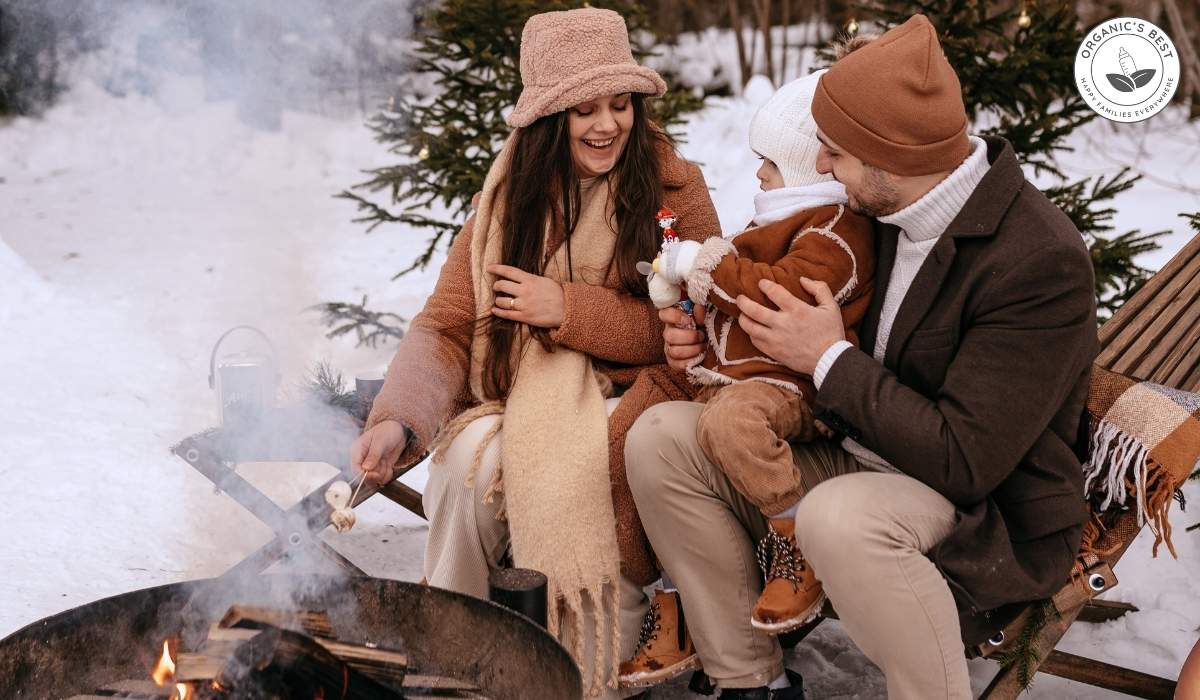

Winter with kids looks a little different than other seasons. That's because days are shorter, routines shift, and suddenly everyone is spending a lot of their time indoors. As many parents know, energy still runs high though, especially for toddlers and young kids who are used to playground trips, quick outdoor strolls, and easy, everyday movement.
Now, instead of slipping on shoes and heading outside, there are snow pants to wrestle into, mittens to track down, and cold, crisp air that some children are not thrilled about. It’s no surprise that both kids and parents can start to feel a little stir-crazy as winter settles in.
That’s why having a mix of simple outdoor activities and cozy indoor ideas can make such a difference. With the right balance, winter can be just as fun as any other season!
Table of Contents
Keeping Kids Active and Engaged During Cold Months
When winter sets in, it is natural for activity levels to drop without the family really noticing. Shorter days, colder temperatures, and more time indoors can shift kids toward longer stretches of sitting and screen time. For young children, especially those who lack movement, it often shows up as restlessness, sleep struggles, big emotions, or sudden bursts of energy at the least convenient times.
Not only that, but staying active during the colder months plays an important role in both physical and emotional development. Movement helps toddlers and kids burn off excess energy, build coordination, and strengthen growing muscles. Regular activity also supports better sleep, which can be especially helpful during winter when daylight changes can throw off natural rhythms and sleeping patterns.
Finally, engagement matters just as much as movement. Activities that encourage creativity, problem-solving, and curiosity help keep young minds stimulated. Whether it’s building something, learning something about the magic of winter, or getting lost in a story, these moments of focused play help children develop attention skills and emotional regulation.
Winter can also be a great time to introduce slower, more intentional activities. Without the constant pull of summer outings and packed schedules, kids have space to linger over crafts, revisit favourite books, or explore new interests at their own pace. For many children, this balance of active play and calm engagement can be deeply regulating.
Outdoor Winter Activities for Children
First, we're going to focus on outdoor activities, because even though the cold can be uncomfortable, fresh air has a ton of benefits for the mind, body, and spirit of little ones, from stronger immunity, to increased physical health, boosted moods, and more.
1) Let it Snow: Snow Day Activities for Kids

Few things spark pure childhood joy like freshly fallen snow. A snow day turns the outdoors into a playground, offering the perfect environment for kids playing in snow to explore, build, and use their imagination.
For toddlers and kids alike, even simple snow play is a full sensory experience. Younger children can scoop snow with cups, feel the cold flakes on their gloves, or watch their breath puff into the air. A small sled or push toy can also be fun for little ones, as parents pull them around in the snow. Older children can get creative with classic winter fun, like building sculptures, snowmen, or snow forts.
Remember to keep outdoor time short but frequent. Even 20 minutes outside can reset moods, burn energy, and make indoor time feel calmer afterward. It is also important to monitor children outdoors to ensure that they are being safe and responsible. Snow forts and snowball fights can be fun, but also dangerous in some circumstances.
2) Fun Outdoor Winter Games: Ice Skating for Kids

Ice skating is another winter classic that combines movement and balance, great for burning off energy! Many communities offer outdoor rinks or seasonal skating paths, while indoor rinks provide a warmer option for beginners. Some families even build outdoor rinks in their backyards.
For toddlers, stepping on the ice can be intimidating at first, so start with balance aids or let them walk on the ice in skates while holding your hands. Older kids often love practicing spins, races, or skating games with friends once they learn how to skate on their own.
If skating isn’t accessible, try winter alternatives like sledding or snowshoeing instead.
3) Nature Exploration: Winter Camp for Kids

Winter is also an underrated season for young nature explorers. Without leaves on trees, kids can more easily spot animal tracks, nests, and winter birds.
So why not bundle up and head to a local trail, park, or even your own backyard! Bring binoculars, a thermos of something warm like soup or hot cocoa, and maybe even a fun checklist, including tasks like spotting animal tracks, evergreen trees, frozen puddles, etc...
You can also make this a sensory experience for children by listening to crunchy snow, touching tree bark, and instructing them to catch falling snowflakes on their tongue.
Indoor Winter Activities for Kids
Next, we're exploring ways to enjoy winter from indoors, because there will likely be days when it is too chilly or too snowy to brave the cold.
4) Movie Time: Winter Movies for Kids

When it’s too cold to head out, lean into cozy indoor traditions, movie days feel extra special in winter when paired with blankets, dim lighting, and yummy winter snacks for kids.
Create the perfect atmosphere by letting kids build pillow forts or set up sleeping bags in the living room. Let the kids choose some seasonal favourites like Frozen, How The Grinch Stole Christmas, The Polar Express, Paddington, The Muppet Christmas Carol, etc...
5) Printable Fun: Winter Coloring Pages for Kids

Winter coloring pages are an easy, low-prep activity for busy days. These pages can include anything from snowflakes and mittens to animals in scarves. This winter project for kids isn't just fun, as colouring also helps them engage creatively while practicing fine motor skills.
For toddlers, large shapes and simple designs work best. Older kids may enjoy more detailed scenes or patterns. You can expand the activity by using textured materials, cotton balls for snow, foil for icy effects, or glue and glitter for sparkle. It might get a bit messy, but it will certainly create long-lasting memories.
Colouring can also be calming for a lot of children, making it a great quiet-time or pre-bed activity during long winter evenings.
6) A Fun Quiz for Cold Days: Winter Trivia for Kids

Winter trivia turns learning into a game. It’s perfect for family nights, snowy afternoons, or classroom-style play at home.
Questions can be simple for toddlers or more challenging for older kids. While you can do any kind of trivia that you want, by including winter facts for kids, you can teach them about the world around them. You can even help your children burn some energy by turning trivia into a movement game, jump for true, crouch for false, or make it collaborative instead of competitive.
One of the biggest benefits of trivia is that it builds listening skills, memory, and confidence without feeling like schoolwork.
7) Reading Time: Winter Books for Kids

Winter is made for snuggling up and reading together, with longer nights and slower mornings creating natural opportunities to curl up with a book.
Picture books with winter themes help toddlers understand seasonal changes, while older kids may enjoy chapter books that feel cozy and immersive. Here are some of the most popular winter books for little ones:
-
The Mitten by Jan Brett
-
Snowy Day by Ezra Jack Keats
-
How the Grinch Stole Christmas! by Dr. Seuss
-
Bear Stays Up for Christmas by Karma Wilson
Educational Winter Activities to Learn and Play
Finally, we're shifting towards winter learning opportunities, because there's so much to discover in each changing season, with winter art for kids, science experiments, and more!
8) Easy Winter Crafts for Kids & Toddlers

Winter crafts are a great way to keep kids busy on cold days without needing a ton of supplies or an elaborate setup. Simple materials like paper, glue, paint, cardboard, and recycled items can go a long way! These activities are especially helpful when outdoor play is limited, but kids still need something hands-on to focus their energy.
Winter crafts for toddlers should be simple, repetitive, and sensory-friendly. Here are some ideas:
-
Paper snowmen: Use pre-cut circles so toddlers can practice stacking, gluing, and decorating with stickers or crayons.
-
Handprint mittens: Trace and cut out mitten shapes, then decorate with paint, stamps, or fingerprints.
-
Cotton ball snow scenes: Glue cotton balls, tissues, or ripped paper onto blue construction paper to create snowy landscapes.
Winter crafts for preschoolers or older kids should involve more steps and decision-making. These projects help build patience and focus while still feeling fun and seasonal:
-
Paper snowflakes: Folding and cutting designs that can be taped to windows or walls.
-
Winter garlands: String together paper mittens, hats, or snowflakes to decorate the house.
-
Felt ornaments: Simple hand-sewn or glued shapes like stars, trees, or animals.
9) Time to Create: Winter Art Projects for Kids

Winter art projects give kids a chance to express how they experience the season. Some children are drawn to the calm, quiet side of winter, while others love the excitement of snowstorms and icy landscapes.
A few winter art projects that work well for different ages include:
-
Ice painting: Freeze water mixed with washable paint or food colouring in ice cube trays and let kids paint as the ice melts.
-
Salt-and-glue art: Draw winter shapes with glue, sprinkle salt over top, then add watercolours for textured snow effects.
-
Finger painting: Use cool-toned colours like blues, whites, and silvers or red and green for a festive touch.
-
Texture painting: Use sponges, cotton balls, or toy vehicles to create a textured canvas.
-
Shaving cream art: This activity is perfect for safe, squishy sensory play.
10) Hands-On Learning: Winter Science Experiments for Kids

Winter naturally sparks scientific curiosity in young children. With ice forming on sidewalks, snow falling from the sky, and animals behaving differently than they do in warmer months, kids start asking thoughtful questions like why does ice melt, how does snow form, or why do animals grow thicker fur in winter.
Simple, hands-on experiments help turn those questions into real understanding. Try freezing small toys or figurines inside blocks of ice, then let kids explore different ways to melt them using warm water, salt, or sunlight. As they experiment, they’ll begin to notice which methods work faster and why, learning about temperature and states of matter. You can also bring snow indoors in a bowl and compare how quickly it melts versus snow left outside.
Winter science can extend beyond ice, too. Creating a “snowstorm” in a jar using water and shaving cream helps kids visualize how clouds hold moisture and release precipitation. On especially cold days, blowing bubbles outside and watching them freeze introduces ideas about crystallization and freezing temperatures.
While younger children may enjoy these experiments, they more so fall under the category of winter activities for preschoolers.
Final Takeaways on Winter Activities for Toddlers
The chilly months are still around, so hopefully, you are now armed with some ideas to help you get through this time of the year now that the holidays have settled down. Whether it's movie nights, crafts, art, or snow activities for kids, there's so much to do to release energy and stay engaged during this time of year.
Winter for kids is often a magical time, and thanks to wonderful parents like you, many of these activities and traditions will likely be remembered for years to come!
So bundle up, light a candle, pull out the craft bin, and embrace the season as it is. Winter may be cold, but it’s full of warmth where it matters most.
More Helpful Formula Guides!
Everything You Need to Know About Winter Pregnancy
Does Your Kid Need More Vitamin D in Winter?
Spring Activities for Kids and Toddlers
|
Disclaimer: Please be aware that this information is based on general trends in babies, and it is not medical advice. Your doctor should be your first source of information and advice when considering any changes to your child’s formula and when choosing your child’s formula. Always consult your pediatrician before making any decisions about your child’s diet or if you notice any changes in your child. Breastfeeding is the best nutrition for your baby because breast milk provides your child with all the essential nutrients they need for growth and development. Please consult your pediatrician if your child requires supplemental feeding. |

Leave a comment
Comments will be approved before showing up.
Also in Organic Infant Nutrition and Health Blog