Skim Milk vs Whole Milk in Infant Formula: A Practical Comparison

Walk down the baby formula aisle, and you'll quickly notice that not all formulas are made the same. One difference that's becoming more noticeable, especially among European formulas, is whether a recipe starts with whole milk or skim milk.
Both approaches are expertly designed to provide complete nutrition, but they differ slightly in composition, which can affect the overall ingredient list and how well a formula agrees with some babies.
In this guide, we'll break down how each type of formula is made, explore whole milk vs skim milk nutrition facts, and compare some of the most popular European baby formula brands that use whole milk and skim milk recipes.
Table of Contents
- Understanding Milk in Infant Formula: Why It Matters
- Whole Milk Formula: Crafted with Whole Milk, a Natural Source of MFGM
- Skim Milk Formula: Combining Skim Milk and Oil Blends to Support Infant Nutrition
- Key Differences Between Skim Milk and Whole Milk Formulas
- Which European Baby Formulas Are Made with Skim Milk or Whole Milk?
- Skim vs Whole Milk Formula: Quick Comparison Table
- Whole Milk vs Skim Milk Formula: Which One Should Parents Choose?
- FAQs on Whole Milk Formula vs Skim Milk Formula
Understanding Milk in Infant Formula: Why It Matters
Fat is one of the most important nutrients during infancy. According to the World Health Organization, fat supplies nearly half of a baby's energy needs and plays a major role in brain development, vision, cell growth, and the absorption of vitamins A, D, E, and K.
Human breast milk naturally contains a complex blend of fats, cholesterol, phospholipids, and bioactive compounds. While formula cannot fully replicate breast milk, manufacturers work to provide babies with the nutrients they need by using either whole milk or skim milk as their starting point.

Whole milk infant formulas retain some natural milk fat, while the remainder is provided by a blend of vegetable oils. In contrast, skim milk infant formulas remove nearly all the milk fat, relying predominantly on vegetable oils for their fat content. Both types of formulas adhere to strict nutritional standards and promote healthy growth in infants.
Whole Milk Formula: Crafted with Whole Milk, a Natural Source of MFGM
Whole milk formulas have gained popularity in recent years because they preserve some of the milk fat naturally present in cow's or goat's milk. This matters because milk fat contains compounds collectively known as milk fat globule membrane (MFGM), a complex structure made up of phospholipids, cholesterol, glycoproteins, and sphingolipids.
MFGM is naturally found in breast milk and has become an area of growing scientific interest. Several studies suggest that MFGM may support cognitive development and immune function, although researchers continue to explore exactly how these components contribute to infant health.
That being said, even whole milk infant formulas still contain added vegetable oils because milk fat alone does not provide enough linoleic acid and alpha-linolenic acid, which are two essential fatty acids babies require for growth. However, preserving natural milk fat means these formulas depend less on added oils.
Pros and Cons of Whole Milk Baby Formula
While whole milk infant formula is not inherently better than skim milk infant formula, it does offer some unique characteristics that appeal to many parents. Below, you'll find some of the pros and cons.
Pros of Whole Milk Formula
-
Contains naturally occurring milk fat components like MFGM
-
Does not require as many added vegetable oils
-
Has a naturally creamy, breast-milk-like taste that many parents report their babies enjoy
-
Typically, the recipe is palm-oil free because whole milk naturally contains palmitic acid
-
Available in both cow milk and goat milk varieties
-
May be easier for some babies to digest
Cons of Whole Milk Formula
-
They still require added vegetable oils because milk fat alone doesn't provide enough essential fatty acids
-
Whole milk infant formulas have fewer specialized options available for babies with reflux, lactose sensitivity, or other feeding concerns
-
They are generally less common than skim milk infant formulas, which can make them harder to find in some countries or stores
-
Whole milk infant formulas may be more expensive than conventional skim milk infant formulas
Skim Milk Formula: Combining Skim Milk and Oil Blends to Support Infant Nutrition
Despite the recent excitement around whole milk infant formulas, it's worth remembering that skim milk infant formulas have been the standard around the world for decades. In these recipes, the milk fat is removed while the lactose and proteins remain intact. Manufacturers then add carefully selected blends of vegetable oils to provide the fat that babies depend on.
Common oils include palm oil, sunflower oil, coconut oil, rapeseed oil, and occasionally soy oil. These oils are chosen because they help recreate the fatty acid profile necessary for infant growth and development.
Pros and Cons of Skim Milk Infant Formula
Skim milk formulas have been the foundation of infant nutrition for decades and remain the most common type of formula worldwide. Below, you'll find some of the pros and cons.
Pros of Skim Milk Formula
-
Decades of research and real-world use support their safety and effectiveness
-
Carefully balanced blends of vegetable oils that provide essential fatty acids
-
Wide availability makes them easier to find and repurchase consistently
-
A larger variety of formulas, including options designed for reflux and sensitive stomachs
-
Availability across nearly every major formula brand
-
Organic and palm oil-free options for parents with specific ingredient preferences
-
Generally, lower cost and broader distribution than many premium whole milk infant formulas
Cons of Skim Milk Formula
-
Nearly all of the natural milk fat is removed during processing
-
They rely more heavily on vegetable oils to provide fat
-
Naturally occurring milk fat components, such as phospholipids and milk fat globule membrane (MFGM), are largely removed unless they are specifically added back
-
Some formulas may include palm oil
-
Some parents report that skim milk infant formulas have a lighter taste compared to the creamier flavour of whole milk infant formulas
Key Differences Between Skim Milk and Whole Milk Formulas
Now that we have covered some of the pros and cons, let's look at whole vs skim milk formulas side by side.
Digestion and Baby Comfort
Some parents feel that whole milk infant formulas are gentler on digestion, often reporting that their little ones seem comfortable and satisfied drinking their milk. Some also find that breastfed babies transition more easily to whole milk-based formulas due to their creamier texture and closer resemblance to breast milk fat composition.
However, digestion and tolerance are influenced by much more than whether a formula uses whole milk or skim milk. Factors such as the protein composition, lactose content, prebiotics, probiotics, and your baby's individual digestive system all play important roles in how a formula is tolerated.
Nutritional Differences
From a nutritional standpoint, whole milk and skim milk infant formulas are much more similar than they are different. Both must provide the same essential nutrients, including protein, carbohydrates, fats, vitamins, and minerals.
Where they differ is in the composition of their fat blend. Whole milk infant formulas contribute some naturally occurring milk fat, along with components that are naturally present in breast milk, such as MFGM, phospholipids, and cholesterol.
Skim milk infant formulas, meanwhile, achieve their fat profile almost entirely through added vegetable oils. This allows manufacturers to carefully tailor fatty acid levels and has been the traditional approach used in infant formula for many years.
Which European Baby Formulas Are Made with Skim Milk or Whole Milk?
European formulas span both approaches, and several brands offer a mix of whole milk and skim milk recipes.
Kendamil Formula - Skim and Whole Milk
Kendamil whole milk formulas come in Classic, Organic, and Goat Milk lines. The Classic and Organic formulas use a blend of full-cream whole milk as the primary base with a smaller amount of skim milk to balance protein and fat. The Goat Milk range is made exclusively with whole milk.
HiPP Formula - Skim and Whole Milk
HiPP typically uses organic skim milk across many of its formulas. However, it also offers a line called HiPP PUR, which is made with a whole milk base.
Holle Formula - Skim and Whole Milk
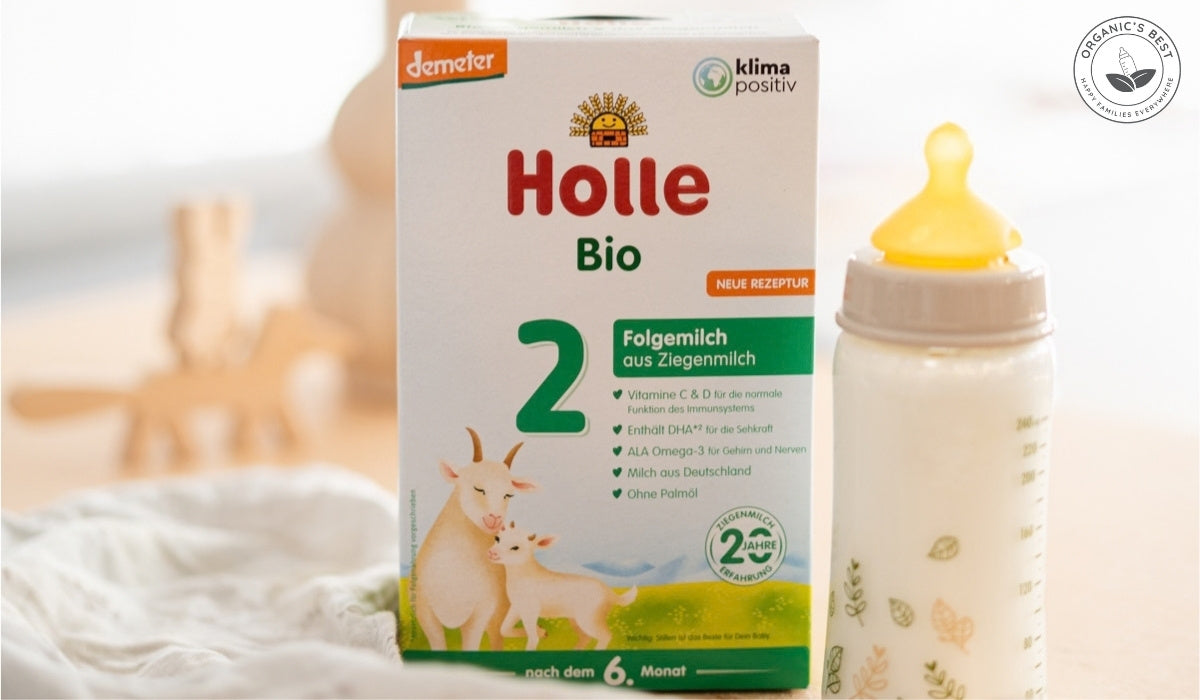
Holle usually uses skim milk as the base in its standard cow’s milk formulas. Their goat milk range, however, is made with whole milk.
Lebenswert Formula - Skim Milk
Lebenswert formulas are based on skim milk and use vegetable oils to provide the necessary fatty acids.
Nannycare Formula - Whole Milk
Nannycare uses whole goat milk as its foundation, preserving naturally occurring milk fat and reducing reliance on added oils.
Jovie Formula - Whole Milk
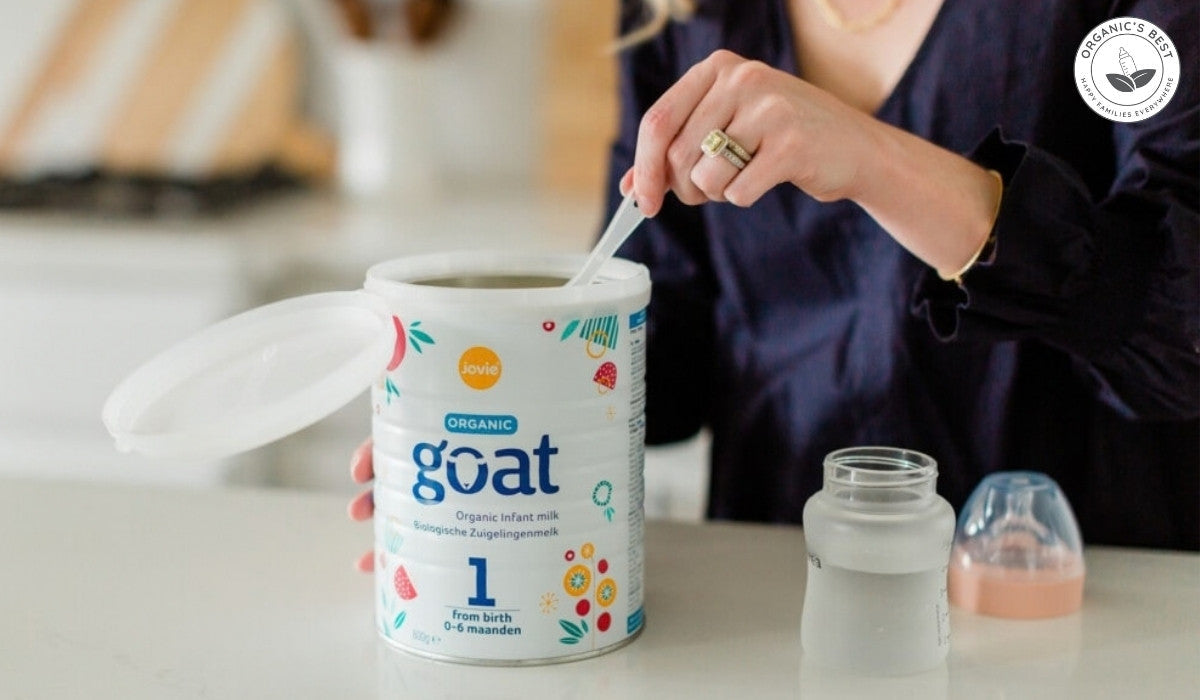
All Jovie formulas are made with whole milk, in both cow and goat milk ranges.
Löwenzahn Formula - Skim and Whole Milk
Löwenzahn Organics offers both skimmed and whole cow’s milk formulas, along with a whole goat’s milk range.
Pure Goat Formula - Whole Milk
Pure Goat uses whole goat milk, preserving natural milk fat, and supplements it with vegetable oils to meet infant nutritional requirements.
Skim vs Whole Milk Formula: Quick Comparison Table
Here is a whole milk vs skim milk nutrition comparison guide so parents can easily compare the two options.

Whole Milk vs Skim Milk Formula: Which One Should Parents Choose?
There’s no single “right” choice when it comes to baby formula. While many brands have moved toward whole milk bases in an effort to better reflect some aspects of breast milk, skim milk baby formulas remain a well-established and nutritionally complete option.
FAQs on Whole Milk Formula vs Skim Milk Formula
Here are some of the most asked questions about skim and whole milk infant formulas.
Which Formula is Closest to Breast Milk: Whole Milk or Skim Milk?
No formula can fully replicate breast milk, which is a living, dynamic food containing antibodies, enzymes, hormones, and thousands of bioactive compounds that adapt to a baby’s needs. That said, whole milk infant formulas are often considered a slightly closer starting point because they retain some naturally occurring milk fat and components found in breast milk, such as Milk Fat Globule Membrane (MFGM).
Is Whole Milk or Skim Milk Formula Better for Babies?
Neither has been shown to be universally better. Babies can grow and thrive on either type, provided the formula is appropriate for their age and nutritional needs. The best formula is often the one that your baby tolerates well and consistently feeds on.
Is Skim Milk Safe for Newborns?
Yes, but it’s important to distinguish between plain skim milk and skim milk–based infant formula. Plain skim milk is not suitable for newborns, while skim milk baby formulas are fully fortified with the necessary fats, vitamins, and minerals to provide complete nutrition and are safe when used as directed.
Can I Switch Between Skim and Whole Milk Formulas?
In most cases, yes. Healthy babies can generally transition between formulas without issue. It is typically recommended to do a gradual switch over several days to allow their baby's digestive system to adjust. Mild changes in stool colour or frequency are common during transitions and usually resolve on their own. If your baby has severe digestive symptoms, allergies, or a medical condition, it's always a good idea to discuss formula changes with your pediatrician.
|
Disclaimer: Please be aware that this information is based on general trends in babies, and it is not medical advice. Your doctor should be your first source of information and advice when considering any changes to your child’s formula and when choosing your child’s formula. Always consult your pediatrician before making any decisions about your child’s diet or if you notice any changes in your child. Breastfeeding is the best nutrition for your baby because breast milk provides your child with all the essential nutrients they need for growth and development. Please consult your pediatrician if your child requires supplemental feeding. |

Leave a comment
Comments will be approved before showing up.
Also in Organic Infant Nutrition and Health Blog