How to Choose the Best Baby Formula: What Parents Need to Know


Modern baby formulas are the result of decades of nutritional research aimed at understanding how to provide babies with the nutrients they need when breast milk isn't available. While no formula can fully replicate the complexity of human milk, today's infant formulas have become increasingly sophisticated.
This advancement in infant nutrition has resulted in a wider range of formula options than ever before. Parents can now choose between whole milk and skim milk formulas, cow milk and goat milk formulas, as well as specialty formulas designed for babies with unique digestive or nutritional needs.
However, having more choices can also make it more difficult to know which formula is right for your baby. That's why we've created this guide, which is designed to provide the information needed to navigate the world of baby formula with confidence.
Table of Contents
- Why Choosing the Right Baby Formula Matters?
- Understanding Different Types of Baby Formulas
- What to Look for When Choosing the Best Baby Formula
- Best Organic Baby Formula Brands from Europe
- Best Types of Baby Formula for Different Needs
- The Importance of Choosing The Organic Formula Options: How European Baby Formulas Stand Out?
- Common Mistakes Parents Make When Choosing Baby Formula
- Final Thoughts
- FAQs About Choosing the Best Formula for Baby
Why Choosing the Right Baby Formula Matters?
During the first year of life, babies undergo an extraordinary period of growth. Their brains rapidly develop, their digestive systems mature, their immune systems learn to respond to the world around them, and their nutritional needs change quickly. For babies who are formula-fed or combination-fed, infant formula serves as their primary source of nutrition during this critical window.

While all regulated infant formulas are designed to provide complete nutrition and support healthy growth, not all formulas are identical. Differences in protein sources, fat composition, carbohydrate blends, processing methods, and added functional ingredients can influence how a formula is digested and tolerated. This variation explains why some babies do very well on a formula that doesn't suit another.
Understanding Different Types of Baby Formulas
The most significant differences between formulas come down to product type. Below, we break down each category in more detail.

Cow Milk Based Formula
Cow milk formula is the most commonly used type of infant formula worldwide and is suitable for the majority of healthy babies. Although these formulas begin with cow's milk, they undergo significant modifications to make them nutritionally appropriate for infants. The protein content is adjusted, the fat profile is altered, and essential vitamins, minerals, and fatty acids are added to better resemble the nutritional composition of breast milk.
Today's cow milk formulas vary considerably depending on the manufacturer. Some are produced using skim milk, while others use whole milk, preserving a portion of the natural milk fat.
Goat Milk Based Formula
Goat milk formula has become increasingly popular among parents looking for a formula that may be gentler on digestion. Like cow milk formulas, goat milk formulas are nutritionally complete and undergo modifications to meet infant nutritional requirements.
One reason some babies appear to tolerate goat milk formulas well is due to differences in the milk proteins. Goat milk naturally contains lower levels of alpha-S1 casein, a protein associated with firmer curds during digestion. Instead, goat milk tends to form softer, looser curds in the stomach, which some researchers believe may contribute to easier digestion for certain infants.
Goat milk formulas typically contain a high proportion of A2 beta-casein protein and naturally occurring milk fats, which can make them an appealing option for parents seeking a less-processed approach to infant nutrition.
It's important to note, however, that goat milk formula is not appropriate for babies with a diagnosed cow milk protein allergy. The proteins in goat and cow milk are structurally similar enough that most babies with a true allergy will react to both.
Vegan-Soy Based Formula
Soy-based formulas provide a completely dairy-free alternative for infants who cannot consume cow or goat milk products. Instead of dairy proteins, these formulas use soy protein isolate as the primary protein source and typically contain vegetable oils as their fat source.
Soy formulas may be recommended for babies with specific medical conditions, including galactosemia or hereditary lactase deficiency. Some families also choose soy formula for cultural, ethical, or dietary reasons.
However, soy formula is not necessarily easier to digest than standard formula, and many pediatric organizations do not recommend it as the first choice for common feeding issues such as colic, reflux, or fussiness. Additionally, some babies with a cow's milk protein allergy may also react to soy protein.
Hypoallergenic Formula
Hypoallergenic formulas are specially designed for babies with cow milk protein allergies or sensitivities. Rather than using intact milk proteins, these formulas contain proteins that have been extensively broken down through a process called hydrolysis.
Because the proteins are broken into smaller fragments, they are less likely to trigger an immune response. There are two main categories:
-
Extensively hydrolyzed formulas : Proteins are broken down into very small peptides
-
Amino acid formulas : Proteins are completely broken down into their individual amino acids
Although hypoallergenic formulas can be helpful for babies with allergies, they are generally not recommended for healthy infants without diagnosed sensitivities and should only be used under medical supervision.
Anti-Reflux Special Formula
Anti-reflux formulas are designed specifically for babies who experience frequent spit-up or gastroesophageal reflux. These formulas typically contain natural thickeners, such as starch or locust bean gum, which help the milk remain in the stomach and reduce regurgitation.
It's important to understand that occasional spit-up is completely normal in infants, particularly during the first several months of life. However, for babies who experience frequent reflux that affects feeding, sleep, or growth, anti-reflux formulas may provide relief. AR formula should be used under medical supervision.
Comfort Special Formula
Comfort formulas are designed to support babies experiencing common digestive concerns such as gas, fussiness, bloating, or mild constipation. While exact recipes vary by manufacturer, comfort formulas often include several features designed to aid digestion, including:
-
Partially milk hydrolyzed proteins
-
Reduced lactose content
-
Added prebiotics or probiotics
These formulas are not intended to treat allergies but may help support babies with immature digestive systems who struggle with common feeding discomforts. As with any special formula, they should only be used under medical supervision.
What to Look for When Choosing the Best Baby Formula
Choosing the right formula for your baby usually depends on several factors, including your child’s nutritional needs and your family’s preferences and lifestyle. Below, we explore some of the most common considerations.
Nutritional Completeness
The first and most important consideration is whether the formula provides complete nutrition for your baby's age. Infant formulas sold in regulated markets must meet strict nutritional standards, ensuring they contain appropriate amounts of protein, fat, carbohydrates, vitamins, and minerals.
Beyond these basic requirements, some formulas include additional ingredients that aim to more closely mimic components found naturally in breast milk, including DHA (required in European formulas), ARA, MFGM, prebiotics, and probiotics.
Ingredient Quality and Transparency
Many parents today pay close attention to ingredient sourcing and manufacturing practices. While all approved formulas are safe, some brands prioritize features such as:
-
Organic ingredient sourcing
-
Grass-fed milk production
-
Whole milk ingredients
-
Non-GMO ingredients
-
Minimal processing
-
Avoidance of palm oil
-
Avoidance of certain additives or fillers
-
Sustainable and ethical farming practices
Digestibility and Tolerance
A formula may look excellent on paper but still not be the best fit for a particular baby. Signs that a baby is tolerating a formula well may include:
-
Comfortable feeding sessions
-
Appropriate weight gain
-
Normal stool patterns
-
Minimal excessive gas or fussiness
-
Good sleep and feeding satisfaction
Because every baby's digestive system develops differently, some trial and error is often a normal part of finding the right formula.
Certifications and Organic Standards
For families interested in organic options, certification standards can provide additional reassurance regarding farming and production practices.
European organic formulas have become especially popular because they often follow stringent agricultural standards that limit the use of pesticides, synthetic fertilizers, antibiotics, and genetically modified ingredients. In addition to the EU organic label, there are other organic accreditations throughout Europe, such as the HiPP Organic Seal, Demeter, Bioland, and AB France.
Baby's Needs and Age
The best formula milk for baby 0–6 months will be different from the best product for a toddler, as nutritional needs change significantly with age and development. Some brands offer a single formula suitable throughout infancy, while others provide staged formulas designed for different ages.
Formula Availability and Cost
The best formula in the world is not particularly helpful if it's difficult to consistently purchase. Before selecting a formula, parents should consider long-term availability, shipping reliability, and cost per feeding.
Best Organic Baby Formula Brands from Europe
Over the past decade, European baby formulas have gained a loyal following among parents worldwide. Here are some of the best baby formula brands coming out of Europe.

HiPP Formula
Among European formula manufacturers, HiPP is one of the most recognized and widely studied brands. HiPP offers one of the broadest formula ranges available, making it particularly appealing for parents whose babies have specific feeding needs. Their products include standard cow milk formulas, goat milk formulas, comfort formulas, anti-reflux formulas, hypoallergenic formulas, and ready-to-feed bottles. Most of their formulas are made with skimmed milk, but they do offer whole milk options in their HiPP PUR line.
Holle Formula
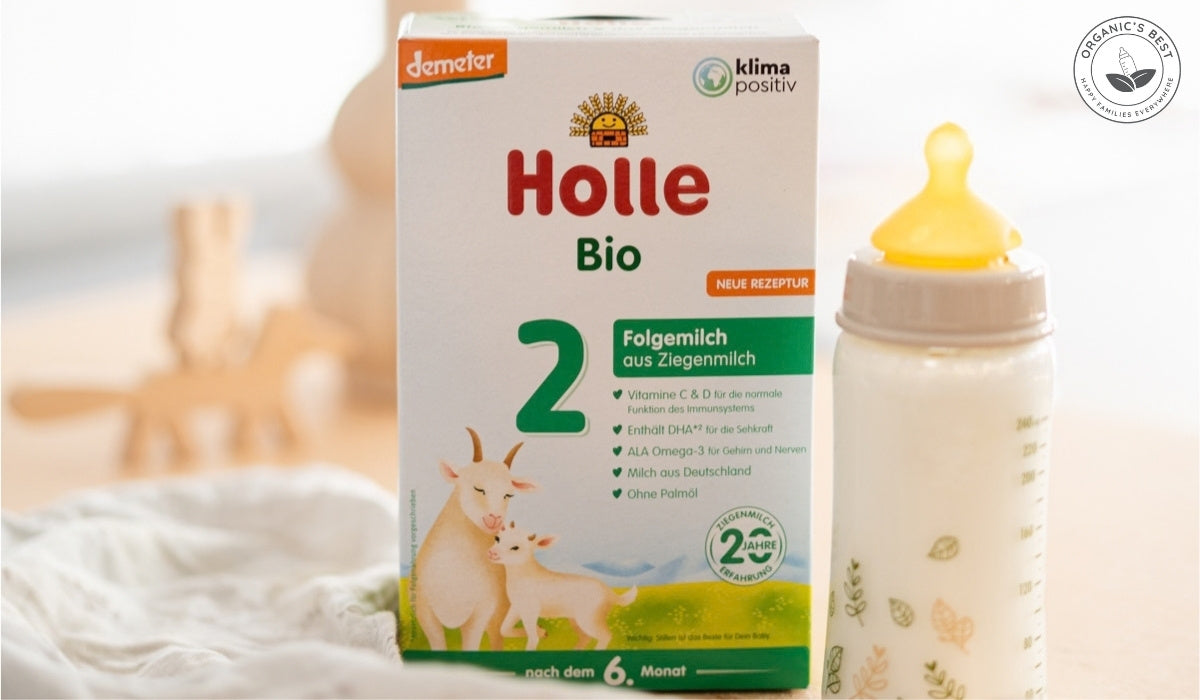
Holle is one of Europe's oldest and most established organic baby food companies, known for their commitment to biodynamic farming practices. Many Holle formulas carry Demeter certification, which represents one of the highest standards of organic agriculture worldwide. The brand offers cow's milk, A2 cow's milk, and goat milk formulas. They also have ready-to-feed options available.
Kendamil Formula
Kendamil has grown in popularity for its unique approach to infant nutrition, which uses whole milk as the primary dairy ingredient across all standard formulas. This helps preserve naturally occurring milk fat components, including milk fat globule membrane (MFGM), while reducing the need for vegetable oils. The brand also avoids palm oil and fish oil, instead using plant-based DHA sourced from marine algae. Kendamil offers cow’s milk, goat’s milk, and comfort formulas. They also have ready-to-feed options.
Jovie Formula
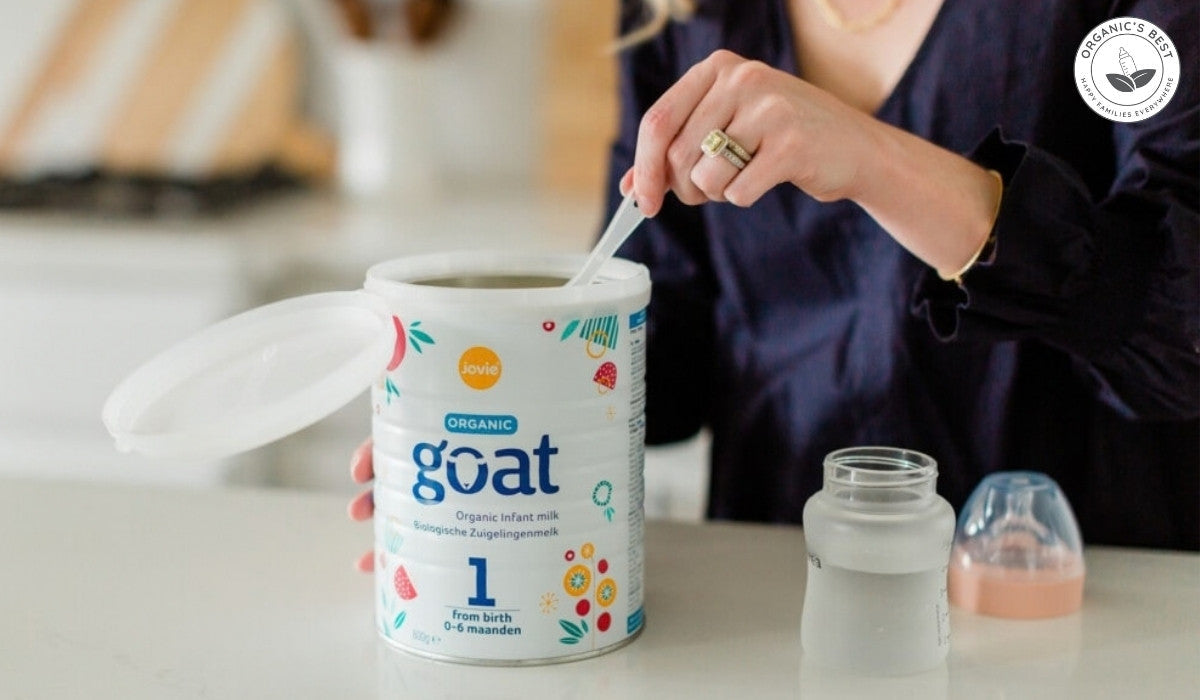
Jovie is a premium European organic formula brand known for its minimalist ingredient approach and commitment to whole milk nutrition. Unlike many formulas that rely on skimmed milk with added vegetable oils, Jovie uses whole milk as its foundation across both its cow’s milk and goat’s milk lines. The brand avoids palm oil and unnecessary additives while adhering to strict European organic standards in all of their products.
Best Types of Baby Formula for Different Needs
Now that you know more about the types of formulas and the best European baby formula brands, let's look at specific products that are recommended for different needs.
Best Formula for Babies Sensitive to Milk Proteins
Hypoallergenic formula is a preferred option for little ones who have sensitivities to intact cow's milk proteins. HiPP HA is a popular choice, featuring a soothing combination of extensively hydrolyzed whey, prebiotics, and probiotics to support healthier digestion. However, while it can be effective for some babies with cow's milk protein allergies, it may not be suitable for all cases, so speak with your pediatrician before trying this product. Importantly, HA formula is not appropriate for lactose intolerance.
Best Formula for Gassy Babies
Gas is common in infants because their digestive systems are immature and they often swallow air while feeding. If you've got an exceptionally gassy baby on your end, a comfort formula or goat milk formula may be the answer. Some of the best baby formulas for sensitive stomachs include HiPP Comfort, Jovie Goat, or Holle Goat.
Learn more: Best Formula for Gassy Babies
Best Formula for Reflux
For babies experiencing significant reflux or frequent regurgitation, anti-reflux formulas may provide the most benefit. These formulas use natural thickeners that help keep feeds in the stomach longer. One of the best baby formulas for reflux is HiPP Anti-Reflux formula.
Learn more: Best Formula for Reflux
Best Formula for Colic
Babies with colicky symptoms may benefit from formulas designed for easier digestion, such as comfort or goat milk formulas like HiPP Comfort, Holle Goat, Kendamil Comfort, or Kendamil Goat.
Learn more: Best Formula for Colic
Best Formula for Constipation
In some cases, formulas with a simpler lactose base may help, such as Kendamil Cow or Goat, which use whole milk. Kendamil is often considered one of the best baby formulas for constipation because it avoids palm oil and includes natural milk fats plus prebiotics, which may support softer, more regular stools. Comfort formulas may also help ease constipation in some babies.
Learn more: Best Formula for Constipation
Best Formula for Spit Up
Frequent spit-up is extremely common during infancy and often improves as babies mature. For babies who spit up excessively, anti-reflux formulas, like HiPP Anti-Reflux, are typically the first formula intervention considered.
Learn more: Best Formula for Spit Up
Best Formula for Breastfed Babies
Parents who are combination feeding often look for formulas that complement breast milk as closely as possible. In this case, choosing a whole milk formula is often recommended. Some of the best baby formulas for breastfed babies come from Kendamil or Jovie. The HiPP PUR line is also great in this case.
Learn more: Best Formula for Breastfed Babies
The Importance of Choosing The Organic Formula Options: How European Baby Formulas Stand Out?
European organic regulations are among the strictest in the world. These standards place limitations on the use of:
-
Synthetic pesticides
-
Artificial fertilizers
-
Genetically modified organisms
-
Routine antibiotic use
Many European manufacturers also emphasize animal welfare, sustainable farming, pasture access, and ingredient traceability.
For parents seeking transparency, organic farming practices, and formulas with fewer processed ingredients, European formulas often provide attractive options.
Common Mistakes Parents Make When Choosing Baby Formula
To avoid some of the common pitfalls other parents run into, it can help to know a few simple things ahead of time:
-
Switching formulas too quickly: Babies need time to adjust, and consistency helps you see real results.
-
Overinterpreting normal infant behaviour: Gas, spit-up, and fussiness are often part of normal development.
-
Relying too heavily on reviews or recommendations: Every baby is different, so results vary widely.
-
Choosing the wrong formula stage: Newborn formulas, infant formulas, and toddler formulas are suitable for different ages.
-
Choosing a formula without considering availability: It is important to pick something you can consistently find and repurchase.
Final Thoughts
Today’s parents have access to more high-quality formula options than ever before, which is both a benefit and a challenge. From traditional cow milk formulas to gentler goat milk options, specialty digestive blends, and premium European organics, there is no single “best” choice for every baby.
What matters most is choosing a formula that is nutritionally complete, safe, and, most importantly, one that your baby tolerates well and thrives on over time. When those pieces come together, you’ve found the right fit for your child, even if it takes a little trial and adjustment to get there.
FAQs About Choosing the Best Formula for Baby
Here are some of the most asked questions about baby formula.
How Do I Know Which Formula is Best for My Baby?
The best formula is one that your baby tolerates well while supporting healthy growth and development. Signs that a formula is working include appropriate weight gain, comfortable feeding, normal stool patterns, and minimal digestive discomfort. Your pediatric healthcare provider can also help guide formula selection based on your baby's individual needs.
What is the #1 Recommended Baby Formula?
There is no single formula universally recommended above all others. Most pediatric organizations suggest starting with a standard cow milk infant formula for healthy term infants. Many families choose well-known European brands such as HiPP, Holle, or Kendamil as a first option.
Which Formula is Best for an Eczema Baby?
Some babies with moderate to severe eczema may have an underlying cow milk protein allergy. If an allergy is suspected, a healthcare provider may recommend an extensively hydrolyzed or amino acid-based formula. However, most babies with eczema do not require a specialized formula.
Which Formula is Best for Constipation?
For babies experiencing constipation, formulas containing prebiotics, goat milk proteins, or comfort formulations may sometimes help support softer stools. It's important to consult a healthcare provider if constipation is persistent or severe.
What Formula is Best for Galactosemia?
Babies diagnosed with galactosemia require specialized lactose-free formulas, most commonly soy-based formulas. This is a medical condition that requires guidance from a pediatric healthcare professional.
What is the Best Baby Formula for Newborns?
For healthy, full-term newborns, parents can choose between conventional or organic options, as well as cow milk or goat milk-based formulas, depending on preference. Many European formulas are also divided into stages, with Stage PRE or Stage 1 recommended for newborns.
Where to Buy the Best Baby Formula?
Baby formula can be purchased through pharmacies, grocery stores, specialty baby retailers, and reputable online distributors. For parents looking specifically for high-quality European organic options, sourcing matters just as much as the formula itself.
At Organic's Best, we specialize in premium European formulas, offering carefully selected European brands at competitive prices. We prioritize reliable availability and ensure every product is handled with strict standards for freshness, authenticity, and safety.
|
Disclaimer: Please be aware that this information is based on general trends in babies, and it is not medical advice. Your doctor should be your first source of information and advice when considering any changes to your child’s formula and when choosing your child’s formula. Always consult your pediatrician before making any decisions about your child’s diet or if you notice any changes in your child. Breastfeeding is the best nutrition for your baby because breast milk provides your child with all the essential nutrients they need for growth and development. Please consult your pediatrician if your child requires supplemental feeding. |

Leave a comment
Comments will be approved before showing up.
Also in Organic Infant Nutrition and Health Blog