All You Need to Know About Formula Recall: A Parent’s Guide
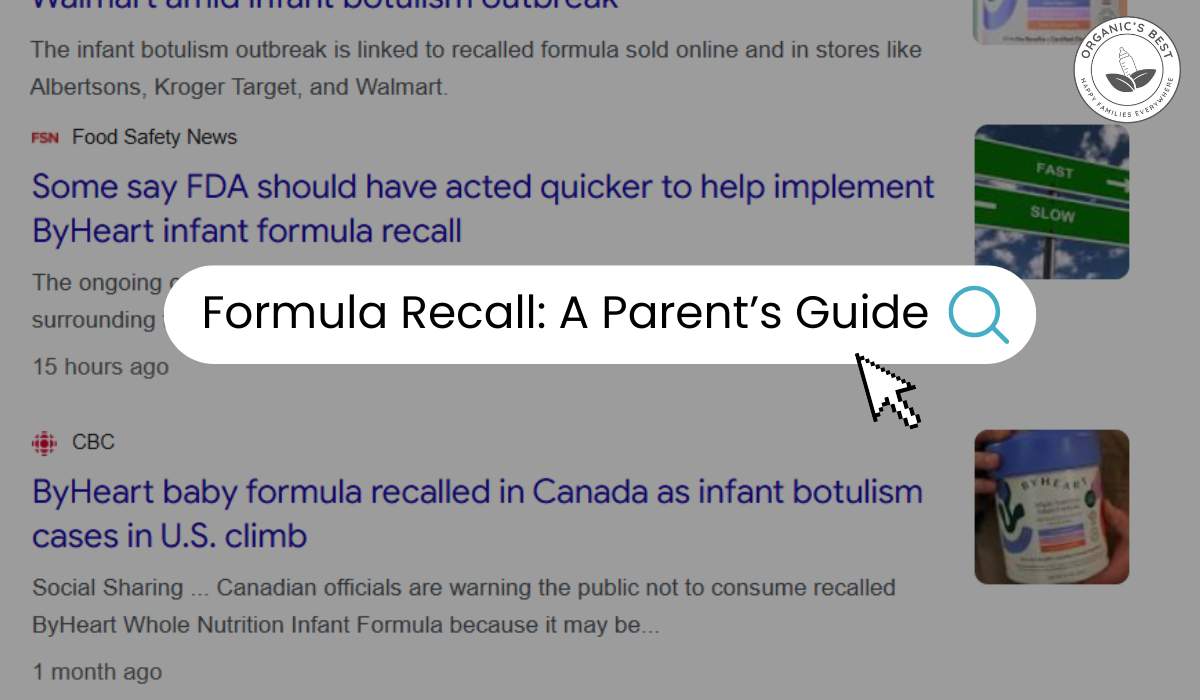

Hearing the word recall associated with baby formula can understandably cause concern for many parents. Formula is not just another grocery item; it's often a baby's primary or only source of nutrition during a critical period of growth and development.
So when news breaks about a recalled baby formula, questions flood in fast, like, Is my baby at risk? Should I stop feeding immediately? What caused the recall? How do I find something safe instead?
This guide is here to walk you through everything you need to know about recalls, including why they happen, how rare risks like infant botulism fit into the picture, what to do if your formula is affected, and how to stay informed about recalls without spiraling.
Table of Contents
- First Up: What Is a Baby Formula Recall?
- Why Do Formula Recalls Happen?
- Infant Botulism & Formula Recall: A Look at the Facts
- What To Do If You Have a Recalled Baby Formula
- How to Find a Safe and Trusted Baby Formula If Your Usual Brand is Recalled?
- How to Stay Updated on Infant Formula Recall News
- FAQs on Infant Formula Recall 2025
First Up: What Is a Baby Formula Recall?

A recall occurs when a manufacturer, distributor, or regulatory agency identifies a potential safety concern with a formula product and removes it from store shelves and consumer use. Recalls can be voluntary, as in they are initiated by the company, or mandatory, as in they are ordered by a regulatory authority like the FDA.
A recall doesn't always mean that babies have been harmed; it often means a potential risk was identified before widespread illness occurred. In fact, many recalled formula cases are precautionary, triggered by quality control issues rather than confirmed contamination.
Common triggers include:
-
Possible bacterial contamination
-
Manufacturing or packaging defects
-
Incorrect nutrient levels
-
Undeclared allergens
-
Improper storage or transport conditions
When you see headlines about baby formula recall news, it usually means officials are acting early to prevent harm, not responding after the fact.
Why Do Formula Recalls Happen?
The good news in all of this is that baby formula is one of the most tightly regulated food products in the world. Given that many infants rely on formula as their sole source of nutrition, even small deviations from safety standards matter.
Recalled formula is most often a result of one of these three issues:

1) Potential Bacterial Contamination
Powdered infant formula is not sterile, which is a fact that often surprises parents, but one that's important to understand. This is one of the reasons why carefully following safe preparation guidelines matters.
Unlike some sterile liquid formulas, powdered formula can occasionally contain bacteria such as Cronobacter sakazakii or, in extremely rare cases, Clostridium botulinum spores. When routine testing detects a potential contamination risk, even without any reported illness, a recall may be issued as a precautionary measure.
2) Manufacturing or Equipment Issues
Manufacturing or equipment-related issues are another common reason recalls occur. If sanitation protocols are not followed precisely, moisture enters powdered formula production lines, packaging seals are compromised, or temperature controls during manufacturing or storage fluctuate, these conditions can create an environment where bacteria may survive or grow.
Even when no illness has been reported, any breakdown in these tightly controlled processes may prompt a recall as a precautionary step to protect infant health.
3) Labeling or Nutrient Errors
Infants need precise nutrient ratios for safe growth. A misprint or formulation error involving iron, vitamin D, or other essential nutrients may lead to a recalled baby formula, even if no immediate illness has been reported.
Infant Botulism & Formula Recall: A Look at the Facts
Illnesses like infant botulism raise alarm, especially when it's the result of contaminated formula. While the condition is serious, it's important to approach the topic with accurate context and clear science, not fear. Understanding what infant botulism is, how rare it actually is, and how it relates to formula safety helps parents make informed decisions without unnecessary panic.
Infant botulism is a rare illness that occurs when babies ingest Clostridium botulinum spores, which can sometimes be found in the environment. Unlike older children and adults, infants have an immature gut microbiome that may allow these spores to germinate.
When this happens, the bacteria can produce botulinum toxin, a substance that interferes with normal nerve signalling and muscle movement. In the United States, infant botulism affects fewer than 200 babies each year, making it uncommon despite the attention it receives. It most often occurs in infants under six months of age, when the digestive system is still developing.
Powdered infant formula has been examined in rare investigations related to infant botulism, but it is not considered the most common source of exposure. Because powdered formula is not sterile, there is a theoretical risk that bacterial spores may be present; therefore, strict manufacturing controls and preparation guidelines are in place. It's also why you may occasionally see infant botulism mentioned in discussions surrounding a recall.
That said, the vast majority of powdered formula products on the market are safe, and recalls related specifically to botulism are extremely rare. When any potential risk is identified through routine testing, recalls should be issued quickly and proactively to prevent harm, even if no illnesses have been reported.
Symptoms of infant botulism can develop gradually and may take up to 30 days to appear after exposure. Early signs often include baby constipation, which is frequently one of the first noticeable changes.
As the condition progresses, parents may observe poor feeding or a weak suck, reduced facial expression, loss of head control, a weak cry, or difficulty swallowing and breathing. Because these symptoms can worsen over time, any concern for infant botulism should prompt immediate medical evaluation, regardless of whether a recall has been announced.
Treatment for infant botulism is highly specialized but very effective when administered promptly. In the U.S., care is coordinated through programs such as California's Infant Botulism Treatment and Prevention Program (IBTPP), which provides access to botulism immune globulin, commonly known as BabyBIG®.
This treatment works by neutralizing the toxin in the baby's system and preventing further nerve damage. With early diagnosis and appropriate medical care, most infants recover fully, reinforcing the importance of awareness, rapid response, and the preventive role that formula safety monitoring and recalls play in protecting infant health.
What To Do If You Have a Recalled Baby Formula
If you discover that your formula appears on a baby formula recall 2025 list, take a breath, and follow these steps:

-
Stop using the formula immediately, even if your baby seems fine.
-
Check the lot number and expiration date carefully, as not all products or batches are affected.
-
Do not throw it away right away, as you may need it for a refund or report.
-
Contact the manufacturer or retailer for refund or replacement instructions.
-
Monitor your baby for symptoms and contact your pediatrician if you have concerns.
A recall is about prevention, not panic. Often, babies who consumed recalled formula remain completely healthy, but it's important to err on the side of caution in such cases.
How to Find a Safe and Trusted Baby Formula If Your Usual Brand is Recalled?
When a recall disrupts your routine, the biggest stressor is often, What do I feed my baby now?
Here's how to approach it thoughtfully:
-
Look for formulas that meet FDA or equivalent international standards.
-
Consider brands with transparent sourcing and manufacturing practices.
-
Look for brands that voluntarily subject their products to additional certifications or contaminant testing beyond minimum legal requirements.
-
Choose a formula with a nutrient profile similar to what your baby is already tolerating.
-
Avoid switching types (i.e, from goat milk formula to cow milk) unless medically indicated.
Your pediatrician or a pediatric dietitian can help you make a short-term substitute choice that minimizes digestive disruption.
Introducing a New Formula to Your Baby Safely
Even without a recall, formula changes can affect digestion. When switching baby formula due to a recall, go slowly if possible. Best practices include:
-
Gradually mixing the new formula with the old (if safe and permitted)
-
Giving your baby several days to adjust before deciding it's not working
-
Avoiding multiple switches in a short period
How to Stay Updated on Infant Formula Recall News
Staying informed about recall news is important, but it doesn't require constantly refreshing headlines or scrolling through social media. The most reliable updates come from official regulatory bodies and trusted sources that actively monitor formula safety and issue alerts only when necessary.
In the United States, this includes agencies such as the FDA, while in the European Union, formula recalls and safety notices are coordinated by national food safety authorities and the EU's Rapid Alert System for Food and Feed (RASFF). You can use the handy portal to check for any recalls on European baby formula brands.
These organizations publish detailed recall notices that outline affected products, batch or lot numbers, expiration dates, and provide clear guidance for parents.
Many formula manufacturers also offer email or text alerts that notify customers directly if a product they've purchased is recalled. Signing up for these alerts can be especially helpful, as they often include instructions for refunds or replacements.
Retailers where you purchased your formula may also send notifications, particularly if you used a loyalty account or online ordering system. In addition, pediatrician offices frequently share recall information with families and can provide guidance if you're unsure how a recall affects your baby's feeding plan.
While social media can spread news quickly, it can also amplify incomplete or misleading information. If you encounter a breaking recall on platforms like Instagram, TikTok, or Facebook, it's best to pause and verify the details from an official regulatory or manufacturer source before taking action.
Doing so helps you stay informed without unnecessary anxiety and ensures that any changes you make to your baby's feeding routine are based on accurate, up-to-date information.
FAQs on Infant Formula Recall 2025
Recalls of baby formula can raise many urgent questions. This section answers the most common concerns parents have about identifying a recalled product, what to do next, and how refunds or replacements typically work.
How Do I Know If My Formula Is Recalled?
Start by checking the lot number and expiration date on the formula container, along with any manufacturing or facility code if one is listed. Then compare this information with official recall announcements released by health authorities to confirm whether your product is affected.
Should I Stop Using Formula Immediately if It's Recalled?
Yes, it's recommended to stop using the formula right away. Even if your baby has already consumed it without any symptoms, discontinuing use helps prevent further exposure while you arrange a safe alternative.
Can I Return or Get a Refund for Recalled Formula?
In most situations, recalled baby formula can be returned. Manufacturers and retailers typically offer a full refund, replacement product, or store credit. Keeping the original packaging and receipt can make the return process easier, though many companies will still assist even if those items aren't available.
You may also want to check: Aptamil Formula Alternatives
|
Disclaimer: Please be aware that this information is based on general trends in babies, and it is not medical advice. Your doctor should be your first source of information and advice when considering any changes to your child’s formula and when choosing your child’s formula. Always consult your pediatrician before making any decisions about your child’s diet or if you notice any changes in your child. Breastfeeding is the best nutrition for your baby because breast milk provides your child with all the essential nutrients they need for growth and development. Please consult your pediatrician if your child requires supplemental feeding. |

Leave a comment
Comments will be approved before showing up.
Also in Organic Infant Nutrition and Health Blog